

Other Benefits of Growing Edible Flowers
Growing edible flowers offers far more than a pretty garnish. These vibrant blooms support your garden, improve your meals, encourage biodiversity, and even boost your well-being. Whether you grow them for beauty, pollinators, or their culinary charm, edible flowers make your garden more functional, resilient, and joyful.
Ecological & Garden Benefits
Edible flowers play an important role in a healthy garden ecosystem, helping your other plants thrive while adding layers of color and life.
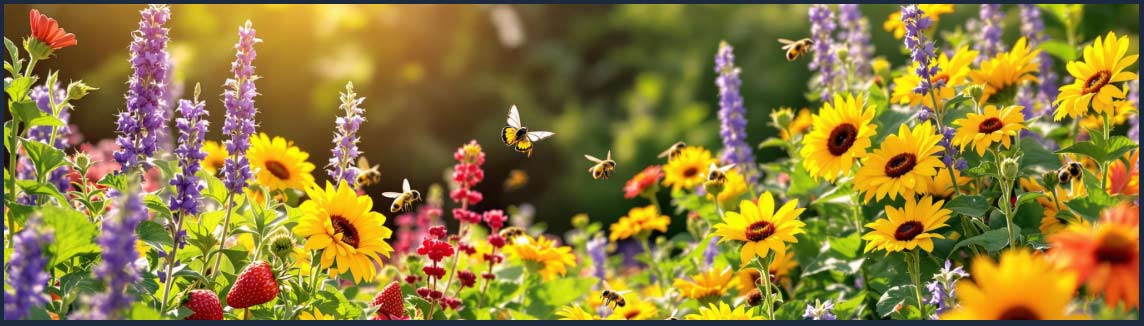
- Pollinator Paradise: Edible flowers attract bees, butterflies, ladybugs, hoverflies, and even hummingbirds. Better pollination means healthier fruiting plants and higher yields for your vegetables, herbs, and berries.
- Natural Pest Control: Some flowers act as “companion bodyguards.” Nasturtiums can lure aphids away from vegetables, calendula attracts beneficial insects that eat pest eggs, and borage helps deter certain chewing pests, reducing the need for sprays.
- Biodiversity Boost: Mixing edible flowers among herbs and vegetables adds texture, color, and structural diversity, supporting a more balanced and resilient garden ecosystem.
- Seeds for Birds: As blooms fade, they leave behind nutritious seeds. Flowers like sunflowers, violas, and coneflowers feed finches and other songbirds, helping wildlife thrive year-round.

Culinary & Health Benefits
In the kitchen, edible flowers offer natural color, unique flavors, and gentle nutritional benefits that can make everyday meals feel special.
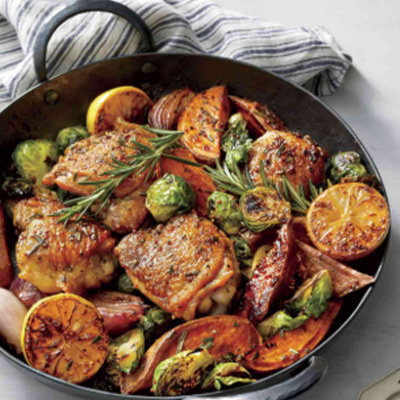
- Vibrant Natural Color: Use edible flowers to add color to desserts, salads, syrups, and ice cubes—no need for artificial dyes. Pansies, calendula, violas, and bachelor’s buttons bring rich blues, yellows, and purples to your plate.
- Unique Flavors: Each variety adds its own personality: nasturtiums are peppery like arugula, begonias are bright and citrusy, pansies are mild and earthy, and borage has a refreshing cucumber-like taste. They’re perfect in salads, teas, infused syrups, and more.
- Nutritional Powerhouses: Many edible flowers are naturally rich in antioxidants, vitamins A, C, and E, and anti-inflammatory compounds that support immune and skin health.
- Herbal Remedies: Flowers like calendula, chamomile, and lavender have long been used in teas, balms, and homemade remedies for soothing skin, calming nerves, and easing minor inflammation.
Personal & Creative Benefits
Beyond the garden bed and the dinner plate, edible flowers bring beauty, creativity, and joy into your daily routine.
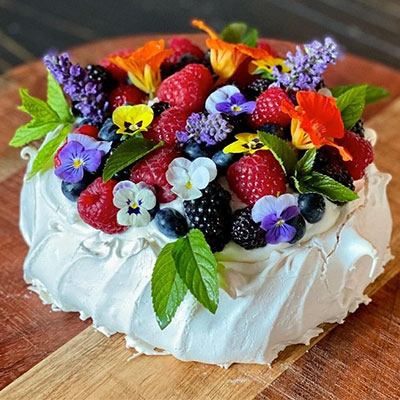
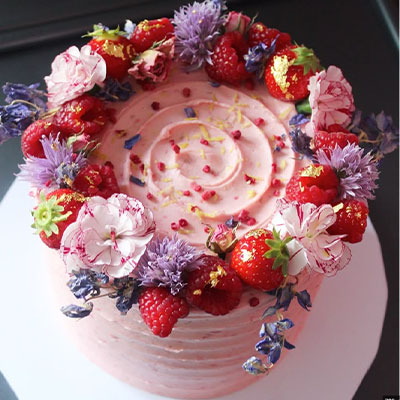
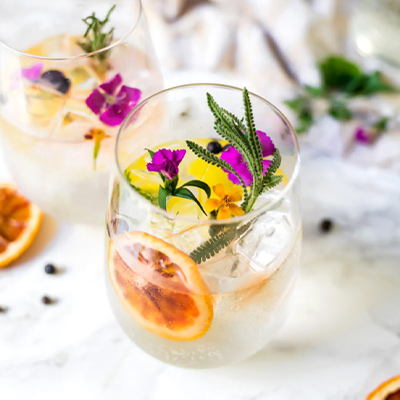
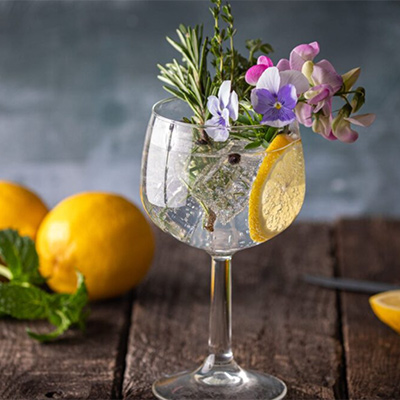
- Elevated Cuisine: A sprinkle of petals instantly turns simple dishes into special-occasion plates. They’re perfect for decorating cakes, garnishing cocktails, topping charcuterie boards, or finishing a simple salad.
- Well-being & Joy: Growing flowers, tending plants, and seeing them bloom can reduce stress and support a sense of calm. Using them in your everyday meals adds small, beautiful moments of delight.
- Creative Outlet: Edible flowers invite creativity in cooking, baking, mixology, photography, and natural crafts. They make it easy to experiment, play, and express your style in both the garden and the kitchen.
In Short
Edible flowers aren’t just beautiful—they’re hardworking allies for your garden, your kitchen, and your well-being. By planting them, you invite more color, more life, and more possibilities into every corner of your home garden.